The Greater Boston Bike Infrastructure Roundtable: A Day of Critical Reflection
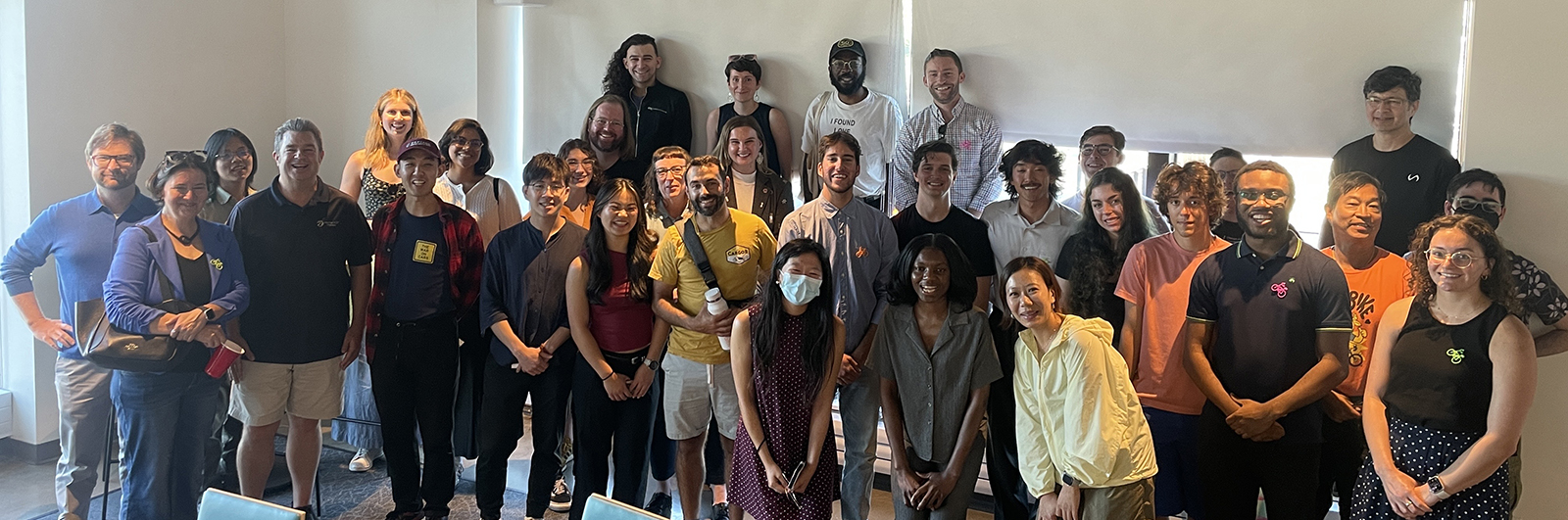
The Greater Boston Bike Infrastructure Roundtable, which took place on Sunday, October 5, at the Boston University Howard Thurman Center, was a student-led event held on behalf of MassBike and the Boston University Urbanist Club. The event aimed to challenge advocates, policy makers, and academics to think critically about how to better the larger regional Boston bike infrastructure system. Through panels, networking, and workshops, the event considered how organizations and individuals are using data to advance today’s bike infrastructure, how policy makers are engaging stakeholders across public-private sectors, what processes are underlying policy decisions, and how student advocacy can play a more critical role among all of this.
This event brought together 50 audience members, including many students, together with 15 panelists ranging from regional organizations like the Boston MPO, MassDOT, and MAPC; transportation engineers and commissioners from the City of Brookline and Cambridge; and student advocates and professors from Harvard Kennedy School, MIT, and Boston University.
As a senior at Brandeis University, intern at MassBike, and one of the organizers of this event, I wanted to reach a student audience to impact and motivate students like myself to become more involved in transportation advocacy. Although I first came into advocacy with the perspective of how to improve my local cycling infrastructure in Waltham, I realized how these concerns quickly impact all of a community’s local residents and can become politically divisive–in other words, these concerns experience “bikelash”.
Furthermore, a challenge I encountered in my advocacy was learning about all the nuances of how Massachusetts transportation projects are funded, engineered, and implemented. I found this learning curve to be a significant educational barrier for private citizens, especially for students, to understand how they can impact this system and make a real impact within this work. In order for a city to thrive and grow its transportation, this demands more transparency and conversations between private citizens and public actors (this aligns under MassBike’s mission, which is why I am particularly passionate about the work I do here). A primary goal of the event, therefore, was to educate students on the larger bike infrastructure system and engage them directly with various stakeholders.
A key takeaway of this event was that better city policy implementation surrounding transportation should occur more at a broader level, instead of at a responsive project-level, in order to avoid project-level bikelash. This policy should focus on helping to avoid deepening inequities across a city to make transportation more accessible and equitable. Furthermore, effective policy should keep up with our constantly-improving data processes, which often requires extra funding to maintain these data processes. Improving and implementing effective policy can help cities apply and receive better funding.
 When Professor Justin de Benedictis-Kessner, Harvard Kennedy School Associate Professor of Public Policy and event panelist, personally surveyed whether citizens felt that roads should be more accessible to bikes, even if it meant sacrificing driving lanes and/or parking, he found that 48% in Boston were in support. I interpret this as the potential for a city to gather significant support to create more transportation-equitable city policy. However, in order for this to become a reality, this requires larger conversation between stakeholders, such as private business owners, to support these movements. This also requires educating the public on how effective bike infrastructure does not necessarily stall business production or worsen city congestion, but can make a city more breathable, livable, and accessible. Students and universities can become critical leaders in this role. Until this is done, Boston and Massachusetts will remain behind other world leaders in bike infrastructure.
As a day meant to spark intellectual curiosity and critical conversations between participants, I was left inspired by the openness of audience members and opportunities to engage with diverse citizens across different professions. In particular, I met and heard from students like MIT PhD student and event panelist Alexa Gomberg. She entered the world of bike advocacy after losing her MIT friend due to a cycling crash. I was inspired by her approach to cycling advocacy, which revolves around diplomacy and conversations between stakeholders and focusing on improving safety, beginning with MIT policy and then branching to a city-level. My hope is that others walked away with a similar takeaway of the critical need of bike infrastructure as a means for improving pedestrian and commuter safety. For more information on student resources to get involved in transportation advocacy, particularly surrounding data processes, see this student resource list, with info from panelist and Boston University Lecturer Terrence J. Regan.
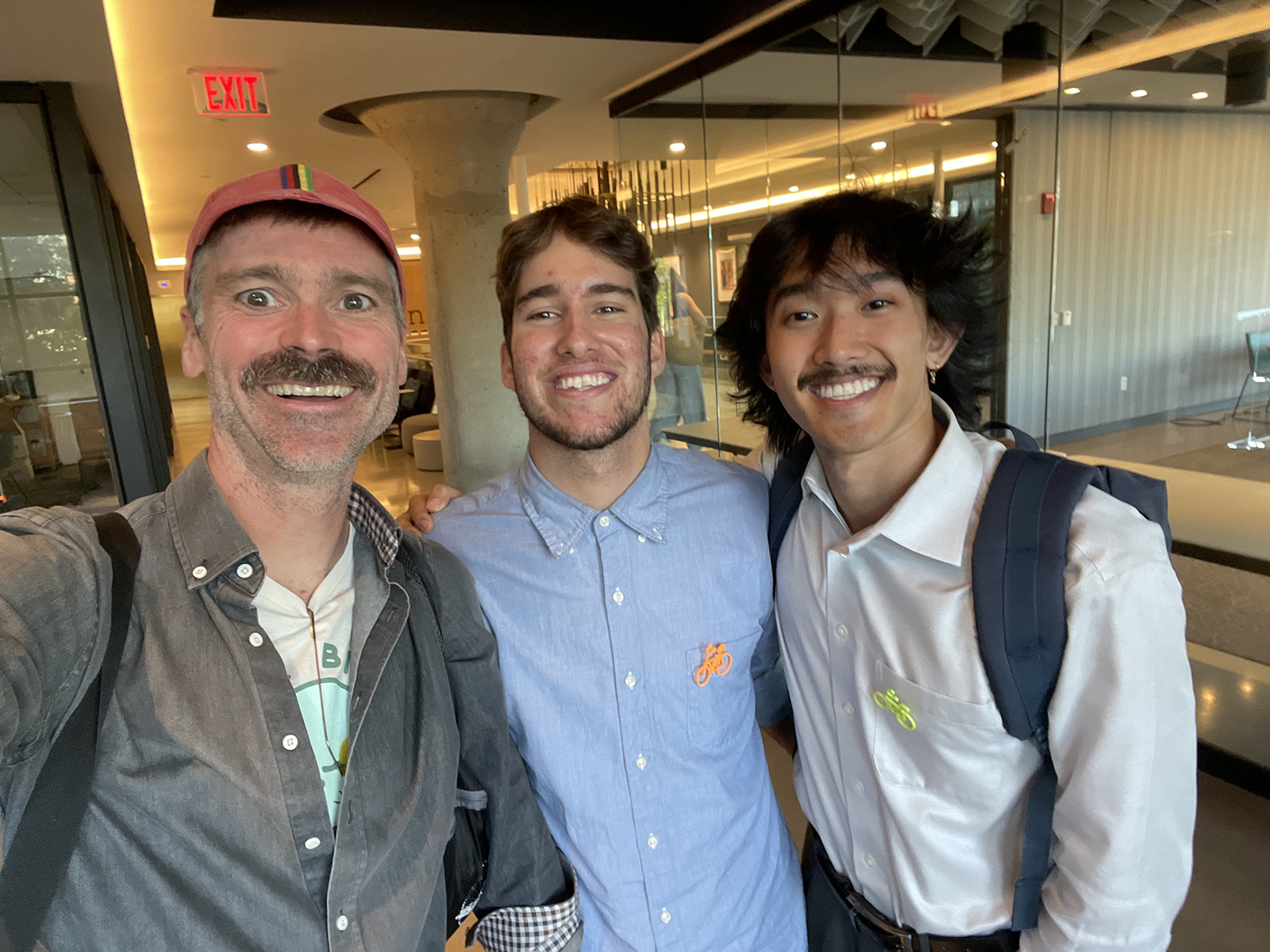
I would like to thank MassBike, Boston University Urbanist Club, Boston University Initiative on Cities, and the Harvard Undergraduate Urban Sustainability Lab for supporting this event and making this day possible. This event would simply not have been possible without Galen Mook and Emma Walter at MassBike for their initial and ongoing support. I would like to thank all of the speakers for taking their time to speak with me to make this event possible. Finally, I would like to especially thank BU students Jerry Zhou and Levi Chen for being co-organizers in this success. My hope is that other students can take the torch and turn this roundtable into a recurring event.